


From Stigma to Support:
Building Bridges Against Drug Abuse and Trafficking through Collaboration and Purposeful Action.
By Kudzai Coutries
Drug abuse and trafficking are two of the most pressing problems that the world is facing today. Fighting against these issues can be a daunting task, but it’s necessary if we want to create a safer and more prosperous world for everyone. One of the biggest challenges in addressing drug abuse and trafficking is the stigma that surrounds these problems. The stigma can make it difficult for people to seek help or for communities to come together to address these issues. However, through collaboration and purposeful action, we can build bridges to overcome this stigma and provide the support that people need to overcome addiction and stop the spread of drugs. In this blog post, we will explore the different ways in which we can build bridges and work together to fight against drug abuse and trafficking. From community outreach programs to education and policy changes, we will discuss how we can make a difference and create a better future for ourselves and our communities.
- Understanding the stigma around drug abuse and trafficking
Drug abuse and trafficking have long been a significant problem worldwide. Unfortunately, society often stigmatizes those who are struggling with drug addiction and those who have been involved in drug trafficking. This stigma is counterproductive and makes it challenging for individuals to seek help or reintegrate into society.
The stigma around drug abuse and trafficking is often the result of a lack of understanding of the factors that contribute to drug addiction and trafficking. It’s important to recognize that drug addiction is a complex issue resulting from a combination of genetic, environmental, and social factors. Furthermore, drug trafficking is often fostered by systemic issues such as poverty, inequality, and political instability.
The stigma associated with drug addiction and trafficking can lead to discrimination, marginalization, and poor access to healthcare for those who need it. It can also impede efforts to combat drug trafficking and addiction. In many cases, individuals who are struggling with addiction or have been involved in trafficking may feel isolated, ashamed, and hopeless.
Therefore, it’s crucial to promote awareness of drug addiction and trafficking and to foster a more empathetic and supportive society. This can be achieved through education, advocacy, and community engagement. By cultivating a deeper understanding of the underlying issues contributing to drug addiction and trafficking, we can build stronger bridges to support those who are struggling and prevent future generations from falling into the same trap.

- The human cost of drug abuse and trafficking
Drug abuse and trafficking have a significant impact on individuals, families, and communities. The human cost of these issues cannot be overstated. The physical and emotional toll on individuals who struggle with drug addiction is significant and can lead to serious health problems, including overdose and death. Furthermore, the effects of drug abuse extend beyond the individual user and can have a ripple effect on their loved ones and community.
The costs of drug trafficking also go beyond the drugs themselves. The violence and crime associated with drug trafficking can take a toll on communities, and the money generated by these activities can fuel other criminal enterprises. Additionally, the social and economic costs of drug abuse and trafficking, including lost productivity, healthcare expenses, and criminal justice expenses, can be staggering.
It is essential to understand the human cost of drug abuse and trafficking in order to develop effective strategies to combat these issues. Collaboration and purposeful action are necessary to address the root causes of drug abuse and trafficking and provide support for those affected. By working together, we can build bridges and create positive change in our communities.
- The importance of collaboration and purposeful action
Collaboration and purposeful action are crucial when it comes to addressing and combating drug abuse and trafficking. While it is important for individuals and organizations to take action on their own, it is equally important to work together with others who share the same goal. This is because drug abuse and trafficking are complex issues that require a multidisciplinary approach in order to be effectively addressed.
Collaboration allows for the pooling of resources, knowledge, and expertise, which can result in more effective and efficient actions. For example, law enforcement agencies can work with community organizations to create drug prevention programs that address the root causes of drug abuse and trafficking. Health care professionals can collaborate with law enforcement to ensure that patients are screened for substance abuse and provided with appropriate treatment.
Purposeful action is also critical in the fight against drug abuse and trafficking. This means that actions taken should be intentional and based on evidence-based practices. It is important to gather and analyze data to understand the prevalence and impact of drug abuse and trafficking in different communities. This information can then be used to inform the development of prevention, treatment, and enforcement strategies.
Collaboration and purposeful action can also help to reduce the stigma associated with drug abuse and trafficking. By bringing together individuals and organizations from different backgrounds and perspectives, we can create a more inclusive and supportive environment for those affected by drug abuse and trafficking. We can also work together to educate the public and change perceptions about drug addiction and those who are struggling with it.
In sum, collaboration and purposeful action are essential in addressing drug abuse and trafficking. By working together with others and taking intentional and evidence-based actions, we can build bridges and create a more supportive and inclusive society that is better equipped to tackle these complex issues.
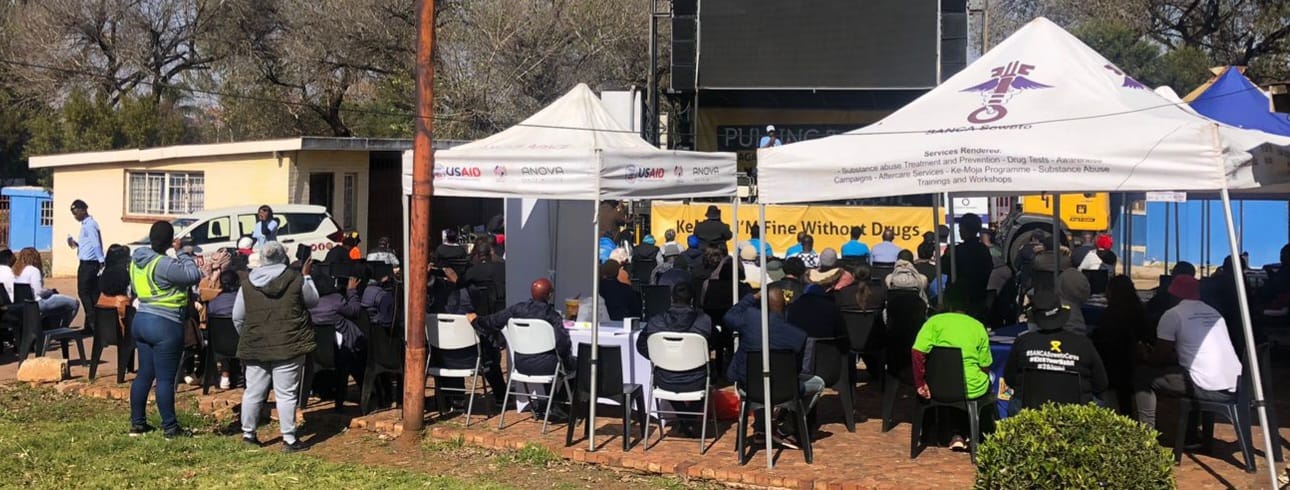
- Building bridges: how to create connections between different groups
Building bridges between different groups is essential to creating a united front against drug abuse and trafficking. By bringing together different organizations, communities, and individuals, we can create a powerful network that works towards the common goal of ending drug abuse and trafficking. Here are some ways to create connections:
- Host community events: Organizing events that bring together different communities and organizations fosters collaboration and understanding. It can be as simple as a neighborhood block party or a more formal event, like a conference or seminar.
- Engage in cross-sector partnerships: Reach out to organizations and businesses from different sectors, such as healthcare, education, and law enforcement. By working together, we can share resources and expertise to develop effective prevention and treatment programs.
- Create a shared vision: When different groups work towards a shared vision, it creates a sense of purpose and unity. Establish goals and objectives that everyone can work towards, and regularly communicate progress and successes.
- Foster open communication: Encourage open and honest communication between different groups to build trust and understanding. Listen to different perspectives and be open to feedback and suggestions.
By building bridges between different groups, we can create a powerful network that works towards the common goal of ending drug abuse and trafficking. Together, we can make a difference and create a better, healthier future for our communities.
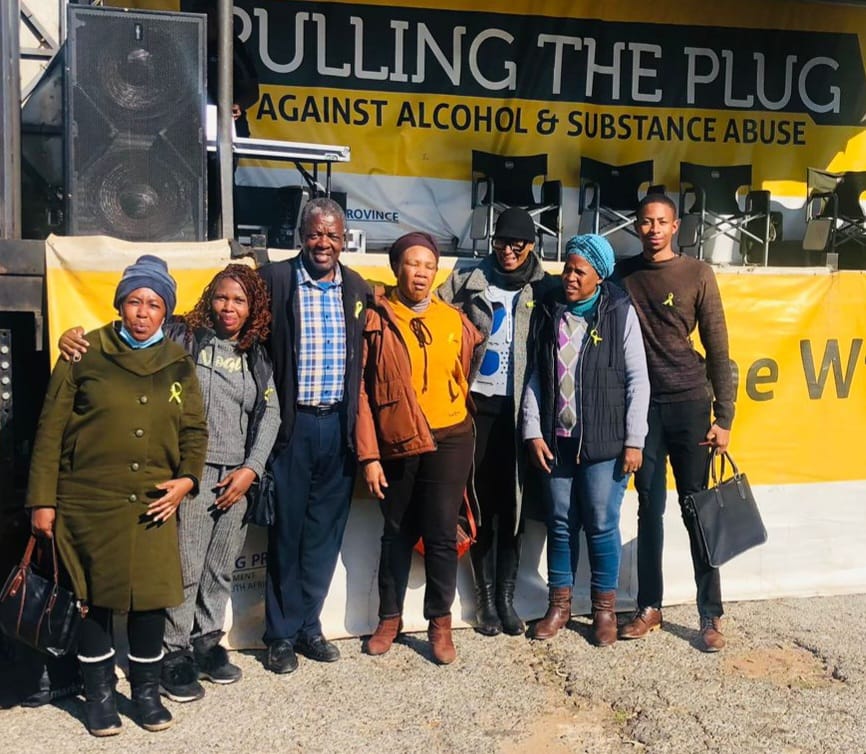
- Education and awareness: how to reduce the stigma surrounding drug abuse and trafficking
Education and awareness are key components in reducing the stigma surrounding drug abuse and trafficking. Many people hold negative stereotypes and beliefs about people who use drugs or those who are involved in trafficking, leading to social marginalization and discrimination. This stigma can prevent individuals from seeking help, accessing healthcare, and integrating into society.
To overcome this, community education programs can be developed that aim to increase awareness of the harms of drug abuse and trafficking, and promote understanding and empathy towards those affected. These programs can be delivered in a variety of settings, such as schools, community centers, and workplaces. Education on the root causes of drug abuse and trafficking can also help to prevent individuals from becoming involved in these activities in the first place.
Working with local law enforcement and healthcare professionals can also help to reduce stigma and promote a more compassionate approach to those affected by drug abuse and trafficking. This collaboration can help to bridge the gap between those who use drugs and those who work to end drug abuse and trafficking. By working together, we can create a more supportive and inclusive community that offers hope and help to those in need.
- Breaking down barriers: how to create a supportive community for those affected by drug abuse and trafficking
Creating a supportive community for those affected by drug abuse and trafficking can be a powerful way to break down barriers and promote healing. It’s important to understand that drug abuse and trafficking can have a significant impact on not only the individual but also the family and community around them.
To create a supportive community, education and awareness campaigns can be effective in breaking down stigma and promoting empathy and understanding. This can be done through community events, forums, or even social media campaigns.
Another way to create a supportive community is by providing access to resources and services. This can include counseling and therapy services, support groups, and even job training programs. By providing these resources, individuals affected by drug abuse and trafficking can feel supported and empowered to make positive changes in their lives.
Finally, it’s important to promote a culture of acceptance and non-judgment within the community. This can be done by encouraging open and honest conversations about drug abuse and trafficking, and promoting a safe and supportive environment for those affected. By breaking down barriers and creating a supportive community, we can work towards ending the stigma and providing hope and healing for those affected by drug abuse and trafficking.

- Providing resources and support: how to help those struggling with addiction and drug-related issues
Providing resources and support for individuals struggling with addiction and drug-related issues is a vital aspect of combating drug abuse and trafficking.
One of the most important ways to help individuals is to provide access to treatment programs and support groups. There are many different types of treatment programs available, including inpatient and outpatient rehabilitation, detoxification, and counseling services. It’s important to understand that what works for one individual may not work for another, so it’s essential to provide a range of options and support to help individuals find the best path to recovery.
Support groups, such as Alcoholics Anonymous and Narcotics Anonymous, can also be incredibly beneficial for individuals struggling with addiction. These groups provide a safe space for individuals to share their experiences, receive support and encouragement, and learn from others who have been through similar situations.
It’s also important to address the root causes of addiction, which can include mental health issues, trauma, and social and economic factors. Providing resources and support to address these issues can help individuals overcome their addiction and avoid relapse.
Finally, it’s important to create a supportive and non-judgmental environment for individuals struggling with addiction. This includes reducing stigma around addiction and providing education and awareness about the realities of drug abuse and trafficking. By working together to provide resources and support, we can help individuals overcome addiction and build a safer, healthier community for everyone.

- Advocating for change: how to use your voice to make a difference
Advocating for change is a powerful tool that anyone can use to make a difference in the fight against drug abuse and trafficking. Whether you’re an individual, an organization, or a business, there are many ways to use your voice to raise awareness, advocate for policy change, and support those affected by drug abuse.
One of the most effective ways to advocate for change is to get involved in advocacy organizations that are specifically focused on drug abuse and trafficking issues. These organizations have the resources and expertise to mobilize their members to take action on key issues, whether it’s lobbying lawmakers, organizing public events, or building public awareness campaigns.
Another way to use your voice is to engage with your local community. By speaking out in public forums, attending events, and engaging with the media, you can raise awareness of the impact of drug abuse and trafficking in your community and help to build support for change.
Finally, using social media platforms can be a great way to amplify your message and connect with others who are passionate about the cause. By sharing your story, creating engaging content, and building a network of supporters, you can harness the power of social media to drive real change.
In conclusion, advocacy is a critical tool in the fight against drug abuse and trafficking. By using your voice and getting involved in advocacy organizations, engaging with your local community, and leveraging social media, you can make a meaningful difference in the lives of those affected by this issue.
- Supporting law enforcement: how to work with law enforcement to combat drug abuse and trafficking
Drug abuse and trafficking are major issues that require a multi-faceted approach to combat. One important aspect of this approach is supporting law enforcement in their efforts to stop the flow of illegal drugs and bring those responsible to justice.
There are several ways that individuals and organizations can support law enforcement in this endeavor. One way is to provide tips or information about suspicious activity or individuals that may be involved in drug-related crimes. This can be done through anonymous hotlines or by contacting local law enforcement directly.
Another way to support law enforcement is to participate in community programs and initiatives that aim to prevent drug abuse and educate individuals on the dangers of drugs. These programs often work in partnership with law enforcement agencies to provide a comprehensive approach to addressing drug-related issues in the community.
It is also important to advocate for policies and legislation that support law enforcement efforts to combat drug abuse and trafficking. This may involve working with elected officials or community leaders to raise awareness about the need for increased funding or resources for law enforcement agencies.
Collaboration between law enforcement and the community is crucial in the fight against drug abuse and trafficking. By supporting law enforcement efforts through tips, community programs, and advocacy, we can work together to build stronger, safer communities free from drugs and the harm they cause.

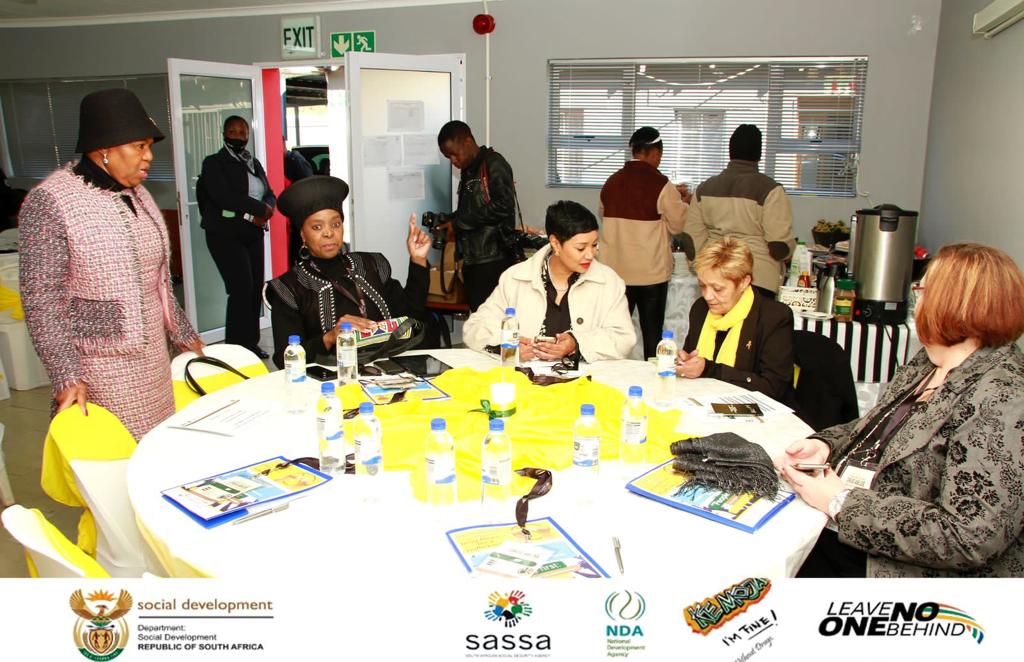
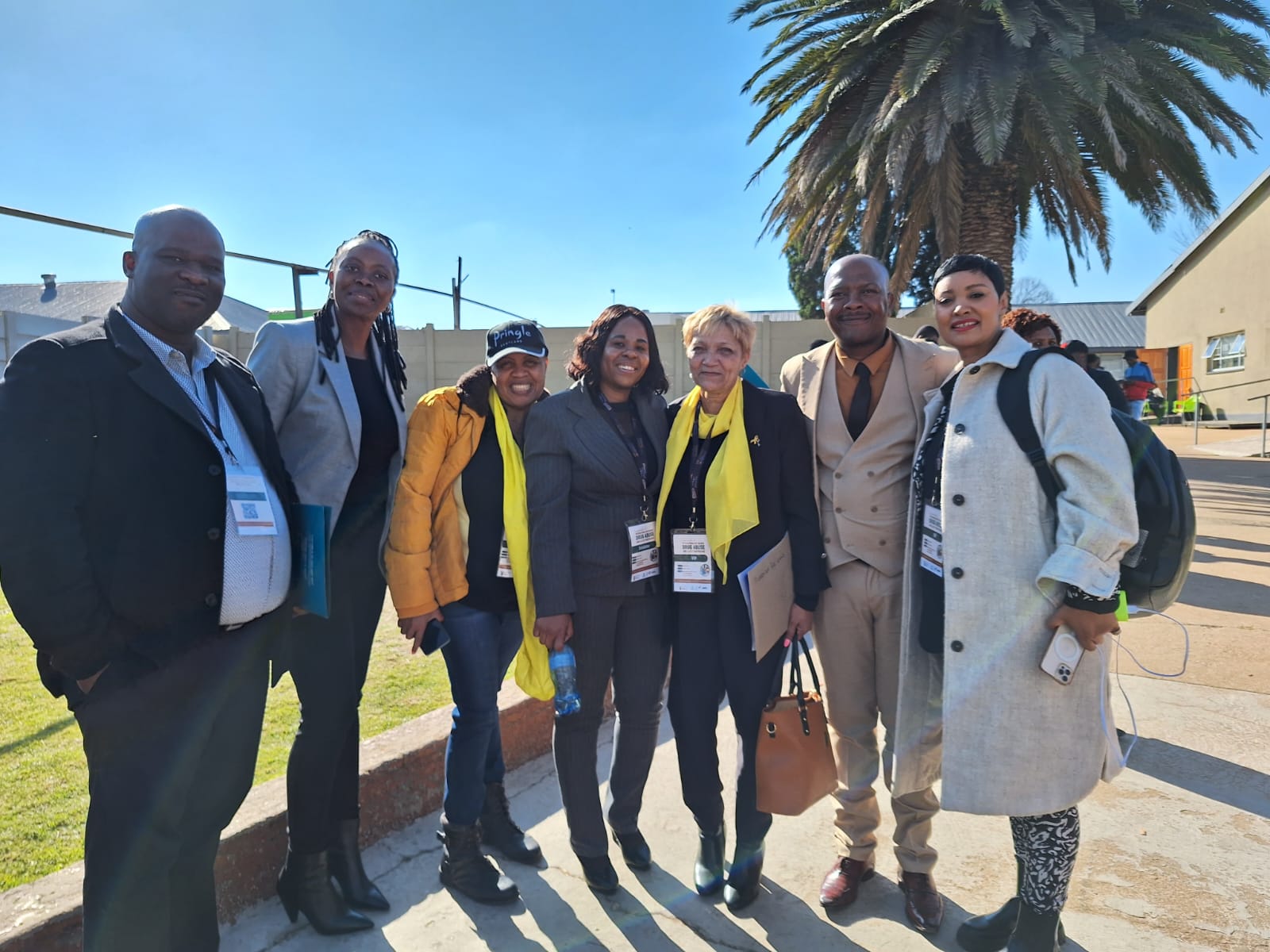
- Moving forward: how to continue building bridges and taking action against drug abuse and trafficking
Now that we have established the importance of building bridges and taking action against drug abuse and trafficking, it’s time to talk about how to continue moving forward.
Firstly, it’s important to keep the conversation going. Don’t let the momentum die out. Keep talking to your community, friends, family, and colleagues about the issue. Keep educating them on the dangers of drug abuse and trafficking and the impact it has on individuals and communities.
Secondly, continue to collaborate. Collaborate with like-minded individuals, organizations, and groups to keep the momentum going. Building a coalition of support is essential in making a real difference in the fight against drug abuse and trafficking.
Thirdly, support those who are affected by drug abuse and trafficking. This can be done through volunteering for organizations that support addiction recovery or providing support to individuals who are going through the recovery process. It’s important to remember that addiction is a disease and those who are affected by it need our support and empathy.
Lastly, hold your elected officials accountable. Use your voice to urge your representatives to take action against drug abuse and trafficking. Support policies and initiatives that aim to combat the issue and hold those who are responsible for drug trafficking accountable for their actions.
In conclusion, building bridges and taking action against drug abuse and trafficking is a continuous effort. It requires collaboration, education, support, and accountability. By continuing to work together and take purposeful action, we can create a better future for our communities and the world.
Drug abuse and trafficking have long been a major problem in society, and it’s important that we all come together to find solutions. By working together and taking purposeful action, we can help reduce the stigma around drug addiction and provide support to those who need it. We hope this post has inspired you to take action and make a difference in your community. Let’s continue to work together to create a safer and healthier world for everyone.
Share on your social media platforms